Kohli's Nook
Escape-Proof Adventure Cat Harness & Leash Set — Outdoor Walking Vest
Escape-Proof Adventure Cat Harness & Leash Set — Outdoor Walking Vest
Couldn't load pickup availability
🐱 Finally — A Harness Your Cat Actually Can't Escape From!
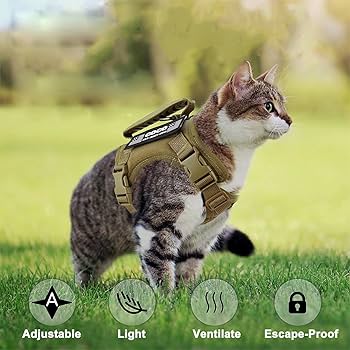
Every cat owner who's tried to walk their cat knows the horror of the "reverse out" — where your cat somehow slithers backward out of their harness and bolts. The Escape-Proof Adventure Cat Harness is engineered specifically to prevent this, with a snug vest-style design that wraps securely around the chest and belly — no escape routes.
Built for the Adventure Cat Lifestyle:
- ✅ True Escape-Proof Design: Vest-style wrap with dual adjustment points makes it physically impossible for even the most determined cats to back out.
- ✅ Breathable Mesh Construction: Lightweight, ventilated mesh keeps your cat cool and comfortable during outdoor adventures.
- ✅ Reflective Safety Strips: High-visibility reflective stitching keeps your cat visible during dawn, dusk, and evening walks.
- ✅ Includes Matching Leash: Comes with a 5-foot bungee leash that absorbs sudden lunges without jerking your cat's neck.
- ✅ Easy On/Off: Simple step-in design with secure buckles — no wrestling required.
- ✅ Available in Multiple Sizes: XS through L to fit kittens to large cats.
📏 Fit Guide — Measure, Size & Adjust
A correctly fitted harness is the #1 way to prevent escapes. Spend two minutes measuring before you order — your cat will thank you.
Step 1 — Take Two Measurements
Use a soft fabric tape measure (or a piece of string you then measure against a ruler):
- Neck Girth: Measure around the base of your cat's neck where a collar would sit. Keep the tape snug but not tight.
- Chest Girth: Measure around the widest part of the chest, just behind the front legs. This is the most important measurement for fit and escape prevention.
Step 2 — Choose Your Size
| Size | Chest Girth | Neck Girth | Best For |
|---|---|---|---|
| XS | 9 – 11 in (23 – 28 cm) | 6 – 7 in (15 – 18 cm) | Kittens & petite cats |
| S | 11 – 13 in (28 – 33 cm) | 7 – 8 in (18 – 20 cm) | Small adult cats |
| M | 13 – 16 in (33 – 41 cm) | 8 – 9 in (20 – 23 cm) | Average adult cats |
| L | 16 – 19 in (41 – 48 cm) | 9 – 10 in (23 – 25 cm) | Large breeds (Maine Coon, etc.) |
If your cat measures at the top of a size range, size up for comfort. For wide-chested breeds, prioritize chest girth over neck girth.
Step 3 — Dual-Adjustment Fitting
The harness has two independent adjustment points — neck and chest — for a customized, escape-proof fit:
- Place the harness on your cat and fasten both buckles.
- Adjust the neck strap first: tighten until you can slide two fingers underneath — snug but comfortable.
- Adjust the chest strap next: this is the escape-prevention strap — tighten until you can slide two fingers under it, no more. A loose chest strap is the most common cause of escapes.
- Gently try to slip two fingers between the harness and your cat's sides all the way around. If you can fit three or more fingers anywhere, tighten that strap by one notch.
- Do a quick "back-out test": hold the leash attachment point and gently apply backward pressure. The harness should not shift toward your cat's head.
🐾 Acclimation Guide — From First Wear to First Walk
Cats aren't dogs — rushing harness training is the fastest way to create a harness-hating cat. Follow these steps for stress-free acclimation:
Days 1 – 2: Introduce the Harness
Leave the harness near your cat's sleeping spot or food bowl so they can sniff and investigate it on their own terms. Reward curiosity with treats.
Days 3 – 4: Wear It Indoors (5–10 minutes)
Put the harness on without attaching the leash. Let your cat walk around indoors. Redirect freezing or flopping behavior with a treat trail — most cats adjust within a few sessions.
Days 5 – 7: Add the Leash Indoors
Attach the leash and let it drag loosely on the floor while your cat explores inside. Pick it up and apply very light, gentle tension for short periods. Keep sessions positive and end on a good note.
Week 2+: First Outdoor Excursions
Start in a quiet, enclosed outdoor space (a backyard or patio). Keep the first sessions to 5–10 minutes. Let your cat lead and explore at their own pace — avoid busy streets or loud environments until they're confident.
⚠️ Outdoor Safety Guidelines
- Always supervise: Never leave your cat unattended while harnessed. Even escape-proof harnesses are not a substitute for supervision.
- Check fit before every outing: Cats' weight can fluctuate — recheck the two-finger rule at the start of each walk.
- Avoid extreme heat: Mesh breathes well, but asphalt and direct sun can overheat cats quickly. Walk during cooler morning or evening hours.
- Watch for wildlife: Keep your cat close and be ready to pick them up if dogs, birds of prey, or other animals approach.
- ID your cat: Even with a secure harness, always ensure your cat has an ID tag or microchip before any outdoor adventure.
Questions about sizing? Reach out — we're happy to help you find the perfect fit for your adventure cat.
Share